
Explore beginner-friendly crypto education, blockchain insights, trading knowledge, and Web3 fundamentals.

Learn the essential steps to securely back up your crypto wallet seed phrase, choose reliable storage methods, avoid common mistakes, and plan for recovery in case of loss or device failure.

Learn how to create a reliable crypto emergency fund using stablecoins. This guide covers choosing the right assets, secure storage options, sizing your reserve, and managing the unique risks of on-chain cash equivalents.

Optimistic rollups assume transaction validity and use fraud proofs with dispute windows, causing latency, while zk-rollups employ cryptographic validity proofs for immediate finality and absolute certainty without challenger delays precisely.

Tokenized real estate lets investors buy fractional shares of property through blockchain tokens. This guide explains how property tokens work, what to check before investing, and the practical steps to get started safely.

This guide explains how to defend your cryptocurrency against sim swapping and phone-based fraud. It covers practical steps like enabling two-factor authentication, using hardware security keys, and monitoring your accounts to prevent unauthorized access to your digital wallets.
This guide explains how to export crypto transaction history from major exchanges for tax software. It covers where to find records, what formats to expect, and how to prepare data for accurate tax reporting.

This guide walks beginners through their first decentralized exchange token swap safely. It covers wallet connection, pair selection, slippage, network checks, and safety habits before confirming a transaction on chain.

Learn how to spot cross-chain bridge risks before moving crypto between blockchains. This guide covers red flags, safety checks, and practical steps for beginners who want to avoid common bridge failures.

This guide explains what decentralized identifiers are, walks beginners through creating a self-sovereign digital identity, and covers practical steps for managing it securely, including wallet choice, key storage, and common pitfalls to avoid.

Meme coins combine internet culture with blockchain, turning jokes into tradable tokens. This guide explains Dogecoin and Shiba Inu, their unique risks, and step‑by‑step research and safety tips for anyone considering a purchase.

Quantum computers could one day break the cryptography securing many cryptocurrencies, but the risk is not immediate. This article explains how quantum attacks work, which wallet habits matter most, and what practical steps holders can take today without panic or unnecessary risk.

Copy trading lets beginners mirror experienced traders, but it carries real risks. This guide explains how to evaluate platforms and signal providers, set sensible limits, and avoid common mistakes that lead to irreversible losses.

A clear guide for beginners and intermediate traders explaining what slippage means, why it affects decentralized trades, and how to adjust slippage tolerance on popular DEXs to control execution risk.

Learn how to compare Arbitrum, Optimism, Base, and ZKsync for daily crypto use. This guide covers fees, speed, wallet compatibility, withdrawal times, and practical risks so you can choose the right Layer 2 for everyday payments and transfers.

Learn how to buy and sell Bitcoin at ATMs without overpaying or getting scammed. This guide covers typical fee structures, verification limits, common fraud tactics, and step-by-step safety checks before you insert cash.

A crypto memo or destination tag tells an exchange which customer should receive a deposit. Forgetting it can leave funds stranded or unrecoverable. This article explains how these identifiers work, which networks require them, and what to do if you send funds without one.

France applies its standard crypto capital-gains tax to stablecoin activity, now shaped by the EU’s MiCA framework. Learn how holding, swapping, or earning interest on stablecoins affects your tax return and what you must report.

Learn how decentralized exchange swap quotes work and why price impact, slippage tolerance, and fees affect what you receive. This guide explains how to compare quotes, adjust settings, and avoid common mistakes that raise trading costs.

A clear breakdown of zero-knowledge proofs and mixers, explaining how they function, their key differences, and when a beginner should consider using private transactions safely and wisely without unnecessary technical jargon.
This guide explains what WalletConnect is, walks through the step‑by‑step process of linking a wallet to a dapp, and highlights security best practices and common troubleshooting tips for beginners and intermediate users.

Layer 2 networks help Ethereum handle more transactions at lower cost. This guide explains how Optimism, Arbitrum, and zk-rollups work, how they differ, and what beginners should know before moving funds between layers.

Blockchain explorers let you verify cryptocurrency transactions without trusting a third party. This guide explains how to read transaction details on Ethereum, Solana, and Base, what each field means, and how to spot potential problems before funds move.

Yield farming can generate passive crypto income, but beginners face smart contract risks, impermanent loss, and scams. This guide explains practical strategies to start safely, recognize red flags, and protect your capital while exploring decentralized finance.

Decentralized finance apps need real-world prices and events to work, but blockchains cannot see them directly. Crypto oracles bridge that gap. This guide explains how oracles feed data to DeFi protocols, what trustless means, and what risks to watch for.
Learn how cross-border crypto tax reporting works, where you may owe taxes, and what steps international holders can take to stay compliant.

Stablecoins like USDC and USDT settle in minutes on networks such as Ethereum, Polygon, Arbitrum, Solana, and Tron, with fees under 1%.

A multi-signature wallet requires multiple private keys to approve transactions, spreading control and reducing single-point risk for families.

Learn how Optimism, Arbitrum, and zk-rollups lower Ethereum fees and speed up transactions for everyday crypto users, with practical guidance on getting started.

Sending cryptocurrency to the incorrect blockchain is one of the most stressful mistakes a digital asset holder can make.

Learn how to stake cryptocurrency safely, compare staking methods, understand the risks, and evaluate potential rewards before committing your funds.

Learn how to identify crypto support and resistance levels, read price reactions, and use these levels to plan trades more carefully.

Learn how to read a token’s smart contract on Etherscan to understand its functions, verify source code, and assess safety.

Learn which NFT activities trigger taxes, how to calculate gains, and what records to keep for compliant reporting.

Learn how to donate cryptocurrency safely, understand basic tax implications, and verify reputable charities before you give.

Learn how token cliffs, vesting schedules, circulating supply, and sell pressure work, plus a practical framework for spotting unlocks that may pressure price.

Learn how to safely use smart contracts, spot scams, and protect your crypto funds with practical steps.

Learn a clear, step‑by‑step framework to diversify a crypto portfolio across Bitcoin, altcoins, and stablecoins without guessing.

Understand when yield, staking, and airdrops become taxable income. A practical guide to reporting DeFi earnings without missing hidden obligations.

Learn step‑by‑step how to safely start playing NFT games and earn crypto without falling for scams.

Learn how fear and greed drive crypto mistakes and practical steps to stay disciplined in volatile markets.

How to manage multiple crypto wallets securely while keeping assets organized and protected.

2024 crypto rules are reshaping how you verify identity, move funds and stay compliant globally. Here’s what actually changes for you.

Crypto forks can shift your holdings overnight—here's what happens to your coins and how to protect them.

Set up a multisig wallet for shared custody or inheritance planning with this clear, step‑by‑step guide.

Learn how cross-chain bridges move assets, why exploits happen, and how to assess contracts, validators, permissions, and other security risks before transferring.

Solo vs pool staking: understand the trade‑offs, rewards, and risks to choose the best staking strategy for your crypto.

Learn how to recover lost or forgotten crypto wallet passwords with a step-by-step guide for beginners covering wallet types and recovery methods.

Learn how to read crypto charts, volume, and liquidity to spot manipulation and make smarter decisions.

Crypto educational article.

Crypto educational article.

Crypto inheritance planning: set up a dead man's switch and digital will to protect your digital assets.

Understand how CeFi and DeFi crypto lending work, where lending returns come from, and the risks to check before depositing your assets.

Learn what happens to your crypto holdings if an exchange goes bankrupt and how creditor claims work for beginners.

Learn how Bitcoin Lightning Network enables fast, cheap payments and how to use it safely with this beginner-friendly guide.

Learn how liquidity pools work, how to provide assets more carefully, and how to estimate real returns after fees, price changes, incentives, and transaction costs.

Crypto educational article.

Decentralized exchange aggregators consolidate liquidity from multiple DEXs to find the best prices, saving time and fees. Use them when liquidity is fragmented or trade costs matter, but watch for risks like reliance on centralized components.

Real-world asset tokens represent traditional securities on blockchain. Learn how to evaluate tokenized treasuries and bonds as a crypto beginner.

Crypto educational article.

Learn how to dollar-cost average into crypto while reducing recurring purchase fees, comparing order methods, spreads, and network costs.

Learn how to assess a stablecoin’s backing by examining reserves, attestation reports, redemption terms, and issuer risk.

Learn the safe, step‑by‑step process to sell crypto on an exchange and withdraw cash to your bank without risk.

Learn how to use limit and stop loss orders for precise crypto trading control.

Learn how to evaluate a crypto project roadmap by checking shipped work, milestones, incentives, funding, governance, and delivery risk.

A beginner's guide to crypto tax reporting for DeFi users, covering taxable events, record keeping, and filing basics.

Learn to spend crypto daily with debit cards while avoiding hidden fees, security risks, and tax surprises.

Learn how on-chain DAO voting works, how token decisions are made, and how to participate safely with a crypto wallet.

ESG crypto investing for beginners: learn about green coins, energy use, and ethical choices.

Learn how to protect and transfer your cryptocurrency holdings through estate planning, from wallets and keys to legal documents and tax considerations.

Learn why impermanent loss happens in liquidity pools, how to compare a pool position with simply holding tokens, and which risks to assess before depositing.

Learn to spot fake crypto launchpads and token sales by recognizing red flags, verifying teams, and protecting your funds before investing.

Learn how hardware keys, phishing defenses, and smart account habits can protect your crypto beyond two‑factor authentication.

Learn how crypto futures and options let you profit from price swings without holding the underlying asset. Covers mechanics, risks, and platforms.

Crypto educational article.

Liquid staking lets you earn staking rewards while keeping a tradable token, but it adds smart-contract, liquidity, and depeg risks.

Learn how to connect a hardware wallet to compatible DeFi interfaces, review transactions before signing, manage token approvals, and troubleshoot common connection problems.

Learn what token approvals are, why infinite permissions put your wallet at risk, and how to revoke them using trusted tools.

Understand miner extractable value (MEV) and how it can silently reduce your profits in crypto trades.

Learn how to identify fraudulent crypto airdrops and protect your wallet with practical verification steps and common warning signs.

An honest look at whether crypto mining still makes sense for beginners in 2026, covering real costs, changing conditions, and smarter alternatives worth considering.

How to pick a stablecoin that fits your trading, yield, or safety needs – a clear comparison of the main types and what to watch for

A practical guide to evaluating crypto project legitimacy through audits, team transparency, and tokenomics.

Learn how crypto restaking works across networks, how operators and services use shared security, and which risks to assess before committing assets.

A practical, beginner-friendly checklist for evaluating a crypto token’s authenticity, security, liquidity, and major risks before buying.

How to spot misleading tokenomics. Learn what to check before trusting a crypto project's supply numbers.
Learn how to bridge crypto between blockchains, check networks and tokens, review fees, confirm transfers, and avoid common mistakes.
Crypto educational article.

Understand what crypto AI agent tokens represent, how they may be used within AI-related blockchain projects, and how to assess token utility, supply, demand, and investment risks.

A clear, beginner-friendly comparison of custodial and non-custodial crypto wallets, explaining the real safety trade-offs new users should understand.
Learn how to safely stake Ethereum, understand the real risks, and earn staking yield without exposing your funds to unnecessary danger.

A clear beginner's guide to crypto spot ETFs, explaining how Bitcoin and spot XRP funds work, their risks, and what to consider before investing.
Learn how crypto hardware wallets protect private keys, compare them with software wallets, and decide whether buying one makes sense for you.

Learn what Cronos (CRO) is, how the Crypto.com ecosystem works, and why this Layer-1 blockchain matters for DeFi and payments.

Understand the practical risks of using crypto AI agents, from wallet permissions and automated transactions to malicious prompts, smart-contract vulnerabilities, and safer testing practices.
Understand why Ethereum gas fees spike during network congestion and learn practical strategies to time your transactions to pay significantly less.
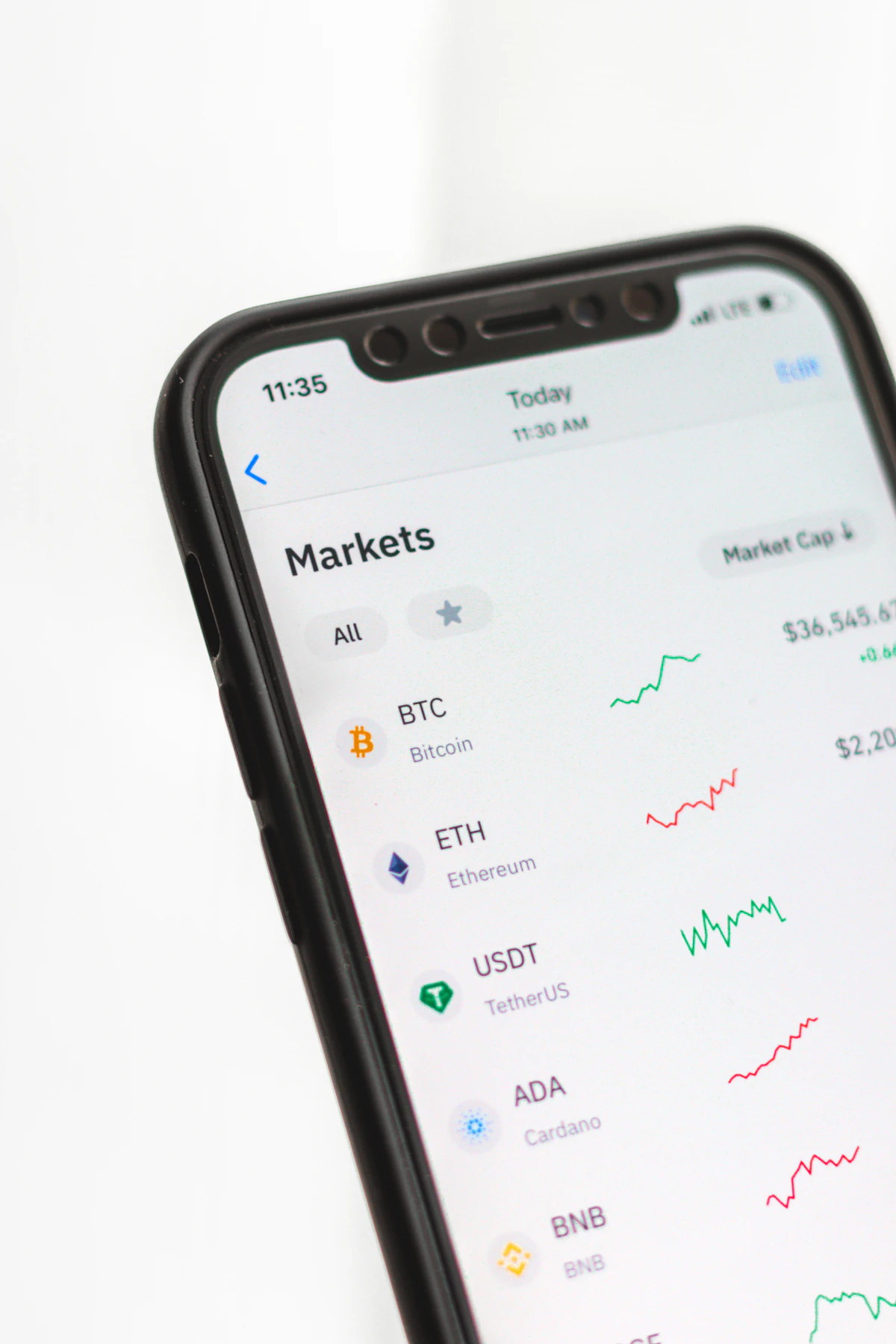
A clear, beginner-friendly comparison of Ethereum and Solana covering speed, fees, security, and real-world usability for everyday crypto users.

Learn how to read crypto whitepapers and understand tokenomics so you can evaluate blockchain projects with more clarity and confidence.

Learn how to safely move your crypto from an exchange to a self-custody wallet with this clear, step-by-step guide designed for everyday investors.

Understand what stablecoins are, how different designs try to maintain their peg, when they may be useful, and the risks beginners should check first.
Compare stablecoins with Bitcoin by goal, from short-term spending and transfers to volatile long-term exposure, and learn the risks to consider before choosing.

Learn how to read crypto price charts step by step, from candlesticks and timeframes to volume, support, and resistance, explained for new investors.
Learn how to read on-chain data to verify real crypto project activity, spot genuine users, and avoid fake volume or wash trading.
Learn how crypto market cycles work, what drives them, and what the current 2026 phase suggests for Bitcoin, altcoins, and long-term investors.
Crypto airdrops offer free tokens to early users, but chasing them comes with security risks. Learn how airdrops work and how beginners can stay safe.
Learn what restaking is in crypto, how it works, why it matters, and what risks beginners should understand before getting involved.
A practical 2026 comparison of the best beginner-friendly crypto wallets, covering security, supported assets, fees, and ease of use.
Learn how to identify common crypto rug pulls, recognize red flags in token projects, and protect your funds before investing in any new cryptocurrency.
Understanding seed phrases, how they secure your crypto wallets, and why writing them down is essential.

Why crypto transactions stall, what causes it, and step‑by‑step fixes for beginners.
Simple steps to keep your crypto wallet safe from phishing attacks and protect your assets.
Learn how to read crypto transaction fees and confirmations, understand what they mean, and use that knowledge for smarter transactions.
Use this beginner-friendly checklist to evaluate a crypto exchange's regulation, security, fees, liquidity, and withdrawal process before depositing money.
Choosing a beginner‑friendly crypto app that safeguards your funds starts with understanding security features, usability, and regulatory compliance.
A clear, step‑by‑step guide to understanding and filing crypto taxes for beginners, covering obligations, calculations, and common pitfalls.
A clear, step‑by‑step guide to buying Bitcoin safely, covering wallets, exchanges, verification and basic security habits.
Follow a practical guide to enabling crypto account 2FA, choosing a stronger second factor, storing recovery codes, and avoiding lockout or phishing risks.
Crypto transaction delays grow during market spikes because network congestion, fee dynamics, and protocol limits interact, slowing confirmations.
What beginners need to know about crypto tax reporting requirements and how to stay compliant

Crypto prices often fall after major headlines; learn why and how beginners can navigate these swings confidently.
Learn what happens after sending crypto, how confirmations and fees work, how wallets protect access, and what blockchain can and cannot guarantee.
Learn step‑by‑step how to choose, install and secure a crypto wallet, so you can store digital assets safely and start transacting with confidence.
Learn how to navigate cryptocurrency exchanges, set up your first account, and make your inaugural trade with confidence.
Simple steps to confirm a crypto project's legitimacy before you invest, using public data and practical checks.

Learn how to move cryptocurrency safely between wallets, step by step, with clear explanations and practical tips for beginners.
Learn practical steps to safeguard your crypto holdings from phishing, rug pulls, and other common scams.
Simple, low‑tech ways to back up your crypto wallet and keep your assets safe, explained for beginners.
Recognize common crypto scams, verify suspicious links and transactions, protect wallet permissions, and learn what to do if your assets are at risk.
Learn why small crypto purchases can feel expensive, how trading fees differ from spreads and network costs, and how to compare the real cost.
Step‑by‑step guide to buying Bitcoin safely with a credit card for beginners

Simple methods to monitor your crypto holdings and understand portfolio performance without overwhelming complexity.
Learn step‑by‑step how to create a secure cryptocurrency wallet, choose the right type, and protect your assets from day one.
Decentralised finance (DeFi) demystified: a clear guide to how it works, why it matters, and what beginners should watch out for.
Learn how to securely back up and restore your crypto wallet with step‑by‑step guidance for beginners.
Understanding proof of work and proof of stake helps beginners see how blockchain security works and why consensus matters.
Learn how to estimate crypto transaction fees step‑by‑step so you never overpay or get stuck waiting for confirmation.
Learn how to verify cryptocurrency transactions on a public ledger with clear, step‑by‑step guidance for beginners.
Basic tax tips every first‑time crypto investor should know, explained in plain language.
Understand how private and public keys work in crypto, why they matter, and how to keep your digital assets safe.
Understand how blockchain records crypto transactions, links blocks, and verifies activity across a network, with a simple Bitcoin example.
Learn how crypto two-factor authentication works, compare common methods, and build a safer account-security routine without overlooking recovery risks.

A step‑by‑step guide to purchasing Bitcoin securely, covering wallets, exchanges, verification and best‑practice safety tips.
A Beginner’s Guide to the “Internet of Blockchains” Why Polygon Matters – The Hook Imagine trying to drive across a city where every road is a separate toll gate, each with its own currency and rules.
What Is Chainlink? A Beginner‑Friendly Guide to the Decentralised Oracle Network Why the Story Starts Outside the Blockchain Imagine you a...
AI-generated crypto educational article.
AI-generated crypto educational article.
AI-generated crypto educational article.
Learn how decentralized finance allows crypto users to borrow, lend, and earn yield.
Learn what Ethereum is, how its blockchain and smart contracts work, what ETH is used for, and how Layer 2 networks extend the ecosystem.